

Foot care
Playing golf with foot and heel complaints
Sore feet take your attention away from the shot in front of you. Here’s what to consider before your next round, from how much you walk to what sits inside your golf shoes.
The Get Grounded team
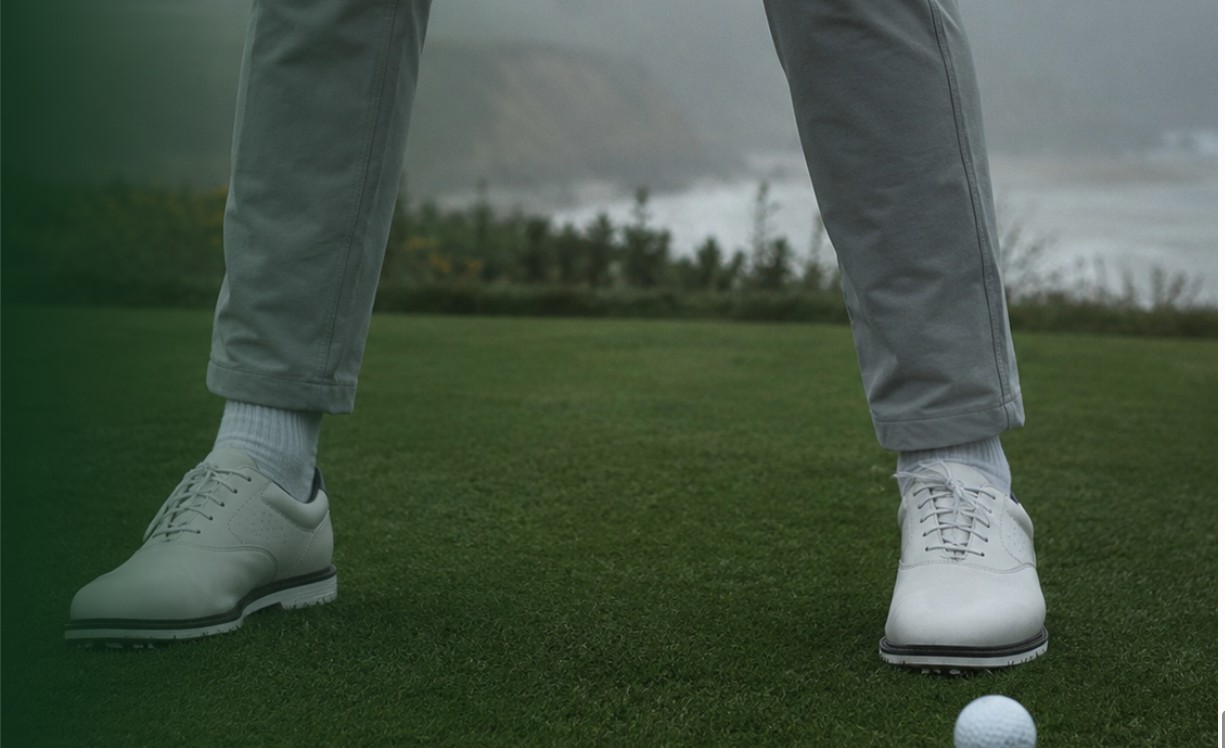
A long walk, uneven lies, time waiting on the tee. Golf puts your feet to work well beyond the swing itself. When your feet are sore, those demands can make a round less enjoyable.
Foot complaints in golf come in many forms: heel pain and heel spurs, arch pain, a burning forefoot, pressure spots, blisters, tired feet late in the round, or an ankle that no longer feels steady. The question is usually practical: can you keep playing, and what might help? Start with how much activity your feet can tolerate, then consider your footwear and support.
This article provides general information, not a diagnosis or personal treatment plan. Foot and heel pain has many possible causes.
Can you play golf with foot complaints?
You may be able to keep playing with adjustments, depending on your symptoms. That does not mean pushing through a painful 18 holes.
A shorter round or a buggy can reduce time spent walking. A trolley takes the bag off your shoulders, but you still cover the distance. If walking hurts or your symptoms are worsening, step back and seek advice before your next round.
Pay attention to how your feet feel afterwards, too. Feeling comfortable during play does not tell the whole story.
The complaints golfers report most
Heel pain. Often felt under the heel or in the arch, and typically worse with the first steps after sleep or rest. Some golfers have been told they have a heel spur; the pain pattern matters more than the label.
Forefoot pressure. The lead foot takes load and rotation through impact. A hot spot, numb toes or burning under the ball of the foot often shows up late in a round.
Tired, aching feet. Four hours of walking, standing and waiting is endurance work. Fatigue in the feet tends to arrive before you notice it in your swing.
Blisters and rubbing. Usually a fit problem: a heel that slips, a liner that has flattened, or wet turf changing how the shoe holds your foot.
Instability. If your foot rolls or your ankle feels unsteady on a slope, you are unlikely to trust the ground when you turn against it.
What to consider before your next round
Adjust the amount of golf. Temporarily reduce walking, avoid stacking long rounds together and allow time between outings. Build back gradually as symptoms allow.
Check your shoes. Look for a comfortable fit, cushioning around the heel and appropriate arch support. Your toes need room, and your heel should feel secure. More padding or a tighter shoe is not automatically the answer.
Make room for recovery. Gentle calf and sole-of-foot stretches are commonly recommended. A physiotherapist can advise on exercises and how to progress them for your situation. Footwear is only one part of the picture.
Seek professional assessment if pain is severe, worsening, recurring or stopping normal activities, or if it has not improved after two weeks of self-care. Tingling or loss of feeling also warrants assessment.
Where golf insoles fit in
Insoles may help with comfort, pressure distribution and support, but they are not a cure for a foot complaint. Health services list insoles or heel pads among self-care options, alongside suitable shoes, reduced aggravating activity and gentle stretching.
For golfers, fit matters across both walking and swinging. An insole should work with your foot and shoe, without crowding the toes or lifting the heel so high that it slips.
Get Grounded golf insoles are designed for the walking and movement involved in the game. Our semi-custom and full-custom options offer different approaches to fit. Choosing between them should start with your feet, your shoes and the support you find comfortable—not an assumption that more customisation guarantees pain relief.
Introduce new insoles during a short walk or practice session before taking them through a full round. Where the original liner is removable, replace it rather than stacking insoles. If the new fit causes pain, stop and have it checked.
Every swing starts at your feet. Give them the attention they deserve.
Common questions about golf and foot complaints
- Do insoles help foot and heel pain?
- They may help some people manage symptoms by providing cushioning, support or better pressure distribution. Think of them as one part of your approach, alongside adjusting activity and following appropriate exercise advice. They cannot guarantee pain-free golf.
- Are golf shoes bad for sore feet?
- Not inherently. Comfort, fit, cushioning and support matter more than the golf label. Check the whole shoe-and-insole combination rather than assuming the factory liner needs replacing.
- Why does my heel hurt the morning after golf?
- Pain with the first steps after rest is a common pattern in heel complaints, including heel spurs. A long period of walking or standing can also aggravate symptoms. If mornings are consistently worse after golf, discuss your activity level with a clinician.
- My forefoot burns late in the round. What causes that?
- Load and rotation concentrate under the ball of the foot, especially on the lead side. Shoe fit, a flattened liner and the sheer number of steps all play a role. Persistent numbness or burning is worth having assessed.
- Should I use a buggy?
- A buggy can reduce walking, although you will still stand, swing and walk to your ball. It is an option for reducing the demands of a round, not a reason to play through worsening pain.
- How quickly will I notice a difference?
- There is no reliable timetable for an individual golfer. A different feel underfoot is not the same as recovery. If pain persists or worsens, seek assessment rather than waiting for an insole to solve it.
Explore Get Grounded golf insoles or speak with our team about fit.